The Horror genre has always played an important role in society as a gateway into understanding the darkest parts of human nature. From the Gothic Literature of Mary Shelley and Bram Stoker, to the ghosts of Shirley Jackson, and the modern terrors of Stephen King, horror authors been celebrated with critical acclaim for centuries. Horror filmmakers, however, have not been so easily afforded the same respect.
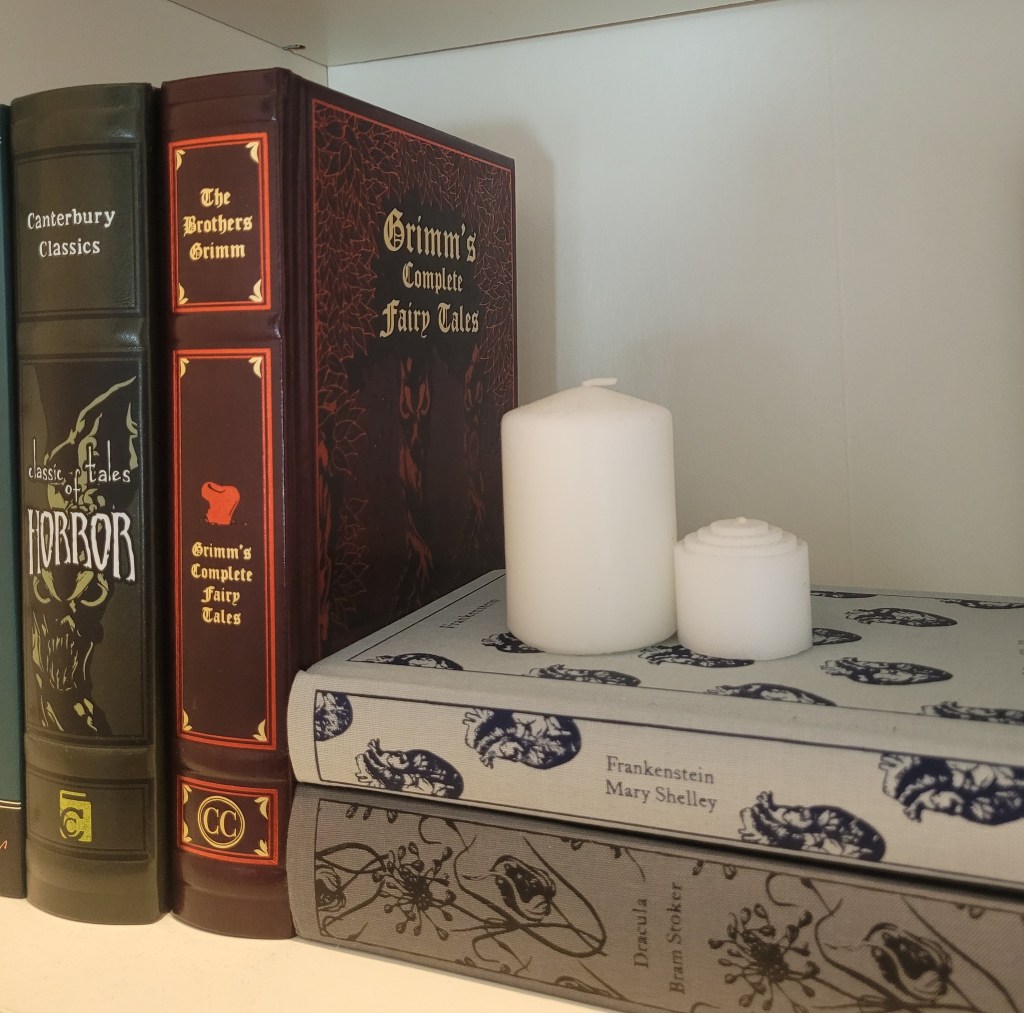
Early horror cinema relied on the prestige of literature to legitimize itself by basing its films on successful novels like Dracula and Frankenstein. Soon enough though, the studio system was churning out bloody, “undignified” screams that drew in the masses, but turned up the noses of the critics. Perhaps unsurprisingly, the chasm between popularity and praise only widened as technical advances allowed those screams to become audible and the blood to turn red.
Fun fact: Although colour was available by then, Hitchock opted to shoot his most well-known film, Psycho (1960), in black and white, in part because he worried the iconic shower scene would be too disturbing if the blood was red.
The combined advent of sound and colourization created a whole new aspect of horror: Gore. This would then go on to become a key element in one of horror’s most popular, polarizing, and enduring subgenres: The Slasher.
The Rise of the Slasher & The Final Girl

Ah, the Slasher; sometimes referred to as The Shocker, The Teenie Kill Pic, or in its goriest form, Torture Porn (though the latter typically has a slightly different formula and is actually a sub-subgenre). But whatever you call them, you know the movies by name: Halloween, Friday the 13th, A Nightmare on Elm Street, Scream. The list of titles is as neverending as the franchises themselves.
At a glance, the plot is simple: a masked man stalks a group of unsupervised teens who are “up to no good,” finding creative ways to brutally kill them off until only one girl is left standing. Significantly, she is the most well-behaved and smartest of all her friends, and it is for these reasons that she alone is able to defeat the slasher. She is The Final Girl.

Less fun fact: Until very recently, The Final Girl was also always straight, cis, white, middle-class, and (barring Black Christmas), a virgin. Since this is akin to saying only straight, cis, white, middle-class virgins deserve to live (YIKES), it’s a very good thing that this is finally changing, though most Final Girl diversity now exists in books.
See? Pretty basic stuff.
But wait. Now let’s consider the time and place in which The Slasher was born.
While it can be argued that the 1960 films, Psycho (US) and Peeping Tom (UK) were predecessors to the Slasher genre, the first true Slashers were Black Christmas (CAN) and Texas Chainsaw Massacre (US), both released in October of 1974. And what notable movement was also taking shape in the Western world at that time? Oh, just a little thing called Second Wave Feminism.

This wave of feminism was focused on gender equality and women’s legal, economic, and social rights. Women were finally speaking up about domestic abuse, violence against women, and sexual harassment. In fact, in 1974, the US courts ruled on its first major sexual harassment case (though the term only gained traction after the fact), Barnes v Train. Sadly, the case was initially dismissed but won on an appeal in 1977.
This overlap between the rise in Slashers and the rise in Feminism is no coincidence when you consider that women were fighting back against male violence both in real life and on-screen. Suddenly, these movies seem far less simple, and far more relevant, reflecting the fears and sentiments of the time.
Just two months after Barnes v. Train, Black Christmas was released. In it, a sorority house is repeatedly harassed by sexually explicit phone calls, then murdered one-by-one. The police are useless, as is usually the case in these films, so our protagonist, Jess, is forced to save herself, thus becoming the first Final Girl (along with Sally of TCM who is, however, far less impressive). Unfortunately, after being a total badass, Jess is left in a state of such severe catatonic shot that the doctors are forced to “put her under.” I know. Bananakins.

So, what we have here is an acknowledgement of misogyny and violence again women, systems that fail women time and time again (also known as The Patriarchy), women fighting back against their abusers and in some ways winning (Jess kills the wrong guy, but her reasoning is solid!), but still living with trauma in the aftermath because, well, duh.
Why Slashers Still Matter
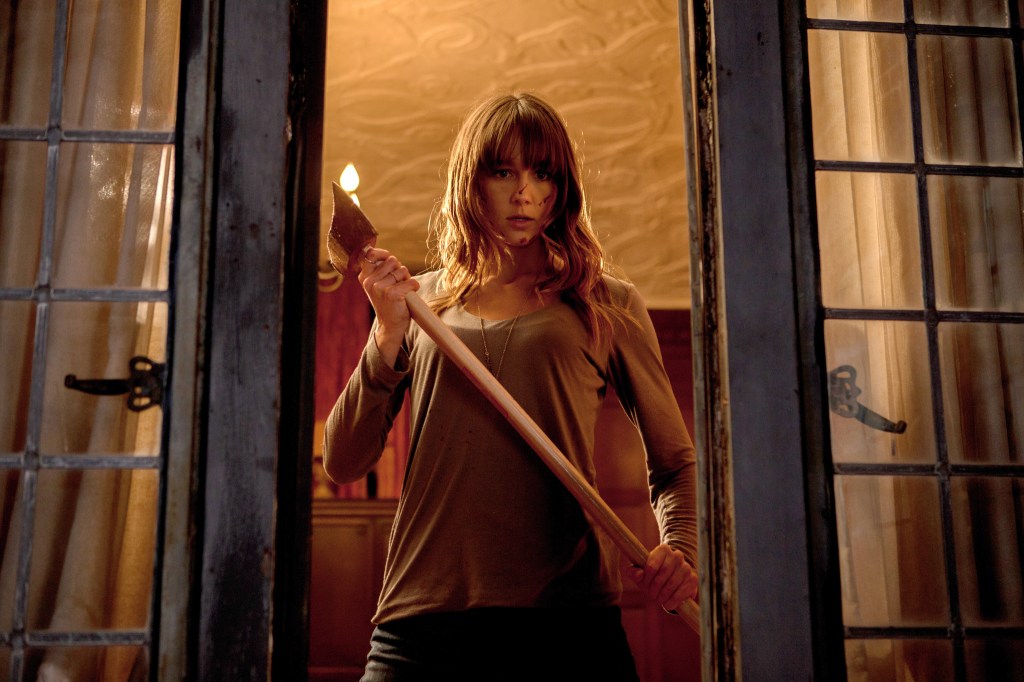
When we consider the fact that Slasher films are actually a complex exploration of misogyny and feminism, we realize they’re more than gory schlock or mindless entertainment. Like all great horror, they have a unique ability to tap into society’s collective fears and concerns.
And when it comes to the Final Girl, they give female viewers a chance to see ourselves and our experiences with the patriarchy reflected, albeit magnified, as most of us have not been literally chased by a masked killer. Unsurprisingly, Slashers are also uncomfortable at times because of how real they feel deep down, despite seeming cheesy and preposterous on the surface. They strike a nerve. Meanwhile, male viewers are forced to experience violence from a female perspective and even encouraged to route for the girl to kill the guy.
It’s a topsy-turvy world, one where we are all the Final Girl and the Final Girl is all of us. This was true in 1974, and it’s still true today, more than fifty years later. In 2025, these masked [insert phallic weapon]-wielding madmen are still relevant because what they represent still exists. And that’s why the world still needs Final Girls.
These films are brutally honest and bloody beautiful, all at once. If you can stomach it, that is.
If, however, you are the type that longs for the days of silent screams and gray-pallet gore, allowing you to enjoy the catharsis of a Final Girl in a less visceral way, you’ve come to the right place. This is, after all, a blog dedicated not to movies, but to books.
Not Up for Viewing Violence? Try a Book!
The Slasher may have originated on the silver screen, but it’s now THRIVING in black-and-white text. From Riley Sager’s Final Girls (solid) to Joelle Wellington’s The Blonde Dies First (great) and Justine Pucella Winans’s How to Survive a Slasher (extraordinary), there is no shortage of women fighting back in print.
While I have not made time to write about these books lately, I am absolutely still reading them. Inhaling, them, really. In my 20s, I would watch any slasher, any day. Now, in my 30s and a mother to a toddler, I must admit that I find it more difficult to watch the violence unfold. But a book is an altogether different experience.
In novel-form, I get to spend more time with the Final Girl. I get a more in-depth understanding of her personality, her thought process and her fluctuating worldview as she changes and grows throughout her ordeal. Often, I even get to see who she has become in the aftermath, no longer just a Final Girl, but a Survivor living with PTSD. The realism and directness of this is something I truly appreciate. More character development, more diversity (like, WAY more), and less gore (because even the bloodiest books are still not visual and intense scenes are easier to skip).
If this is appealing to you, here are a few books I highly recommend!
My Top Five Final Girl Book Recs (To Date)
Challenging, Heartbreaking, Beautiful
Read my review

Fast-Paced, Clever, Heartwarming

Supernatural, Suspenseful, Captivating

Dark, Suspenseful, Twisty
Read my review
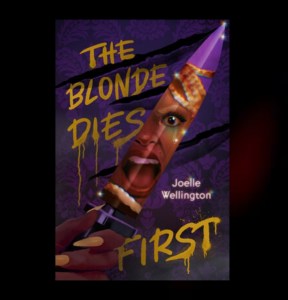
Supernatural, Clever, Fast-Paced
Honourable Mentions
Though these books are not among my top five, they are absolute must-reads for any slasher fans, as they deal directly with the concept of the Final Girl and what her life is like after surviving the attacks. Spoiler Alert: it’s tough out there for a FG!
Trauma, trauma, trauma… and a few more murderous twists.

Read my review

Read my review
 Slashing Pages
awesome post. Love the call backs to the OG movies. Very fun read
LikeLike